Lithuania completed one of the projects aimed at preparing for accession to ECRIS-TCN
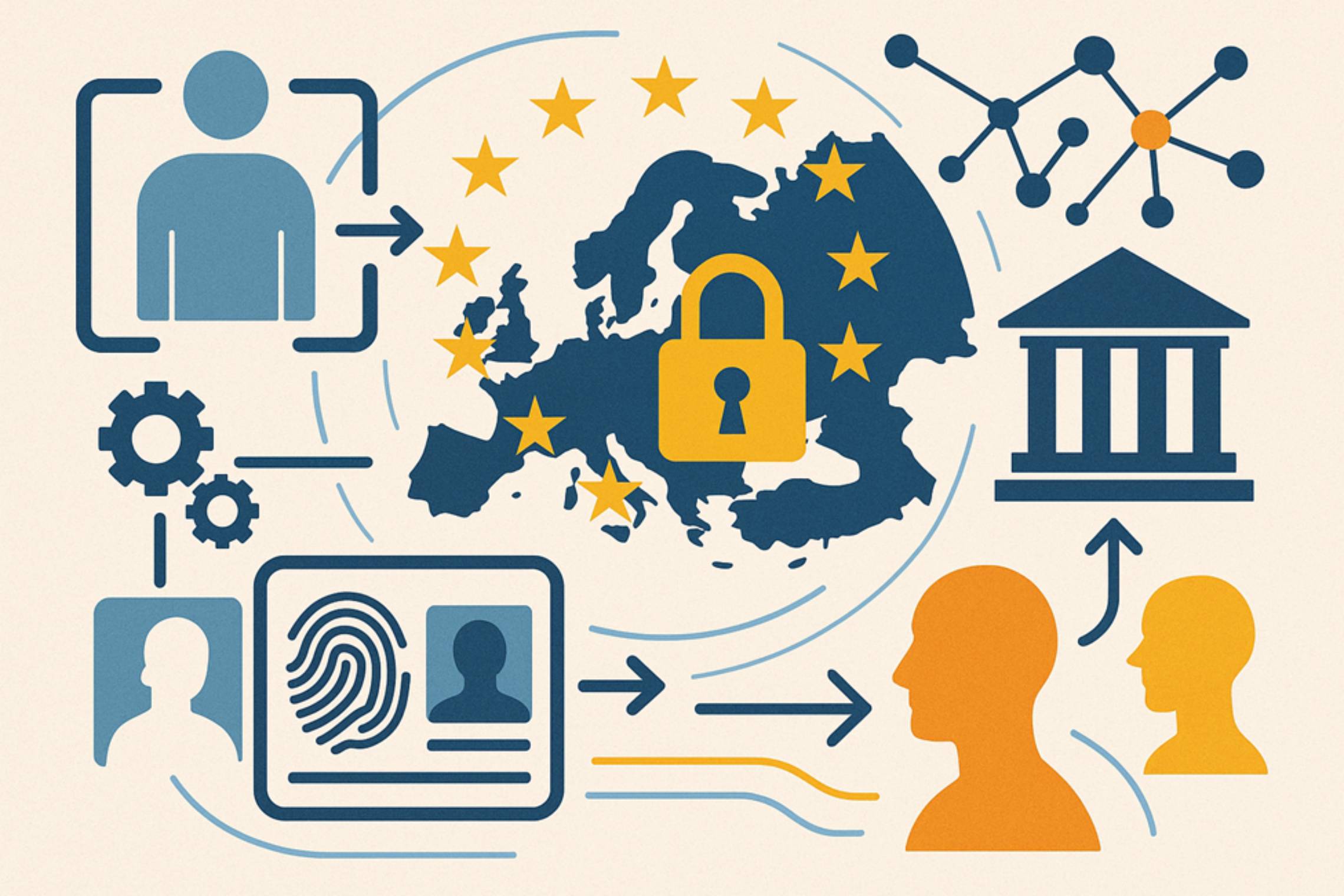
The Information and Communications Technology Department under the Ministry of the Interior of the Republic of Lithuania has successfully implemented the project “Linking the Habitoscopic Data Register with the National Convictions Register and ECRIS-TCN” (No. 101138230), co-funded by the European Union and the state budget under the Justice Programme (JUST). The project prepared national information systems for integration with ECRIS-TCN—a centralized EU system that helps identify which Member States hold criminal records of third-country nationals, stateless persons, and EU citizens who also hold the nationality of a third country. The project was implemented to ensure compliance with Regulation (EU) 2019/816 of the European Parliament and of the Council and to strengthen Lithuania’s capacity to efficiently exchange personal data together with criminal conviction data with other EU Member States.
Within the project, an interface was developed between the Habitoscopic Data Register (HDR) and the Register of Suspects, Accused and Convicted Persons to obtain biometric data (facial images). In addition, national information systems were enhanced to enable the processing of facial images in accordance with established quality requirements, with the aim of verifying the identity of third-country nationals, stateless persons, and EU citizens who also hold the nationality of a third country and for whom Member States hold information on criminal convictions. These solutions will strengthen the ability of Lithuania and other EU Member States to exchange, effectively, quickly and accurately, data held by Member States on the criminal convictions of third-country nationals and stateless persons based on final criminal judgments through the European Criminal Records Information System (ECRIS). They will also expand the capabilities of law-enforcement authorities to identify individuals, particularly in cases where identity cannot be verified using identity documents, alphanumeric data, or fingerprints.
A total of EUR 389,447 in EU funding was allocated for the implementation of the project. The measures implemented will ensure more secure digital data exchange, increase the capacity of national systems, enhance the effectiveness of law-enforcement activities, and reduce the administrative burden on national authorities, while upholding the core values of the EU and contributing to the achievement of one of the EU’s objectives—to provide EU citizens with an area of freedom, security and justice.